

How to connect a usb video to a TV?
Jan 02, 2026
Hey there! If you're like me, you've probably been in a situation where you wanted to connect a USB video device to your TV but didn't know where to start. Well, you're in luck because I'm here to share some tips and tricks on how to do just that. And by the way, I'm not just some random blogger. I'm actually a supplier of USB video equipment, so I've got a good amount of hands - on experience in this area.
Let's start with the basics. Why would you even want to connect a USB video to a TV? There are tons of reasons. Maybe you're a content creator who wants to display your work on a bigger screen. Or perhaps you're using a USB - connected camera for a video conference and want to share what you're seeing with a group of people in a room. Whatever the reason, the process is pretty straightforward once you know the steps.
First off, you need to make sure you have the right equipment. The most obvious thing you'll need is a USB video device. We've got some great options in our inventory. For example, the TEVO - UHD10N HD HDMI HD - SDI Video HD Cam for Telemedicine. This camera is not only great for telemedicine but also works well for other video - related tasks. It can easily connect to your TV via a USB cable.
Speaking of USB cables, you'll definitely need one. The USB cable for Cmaera is a reliable option. It's designed to transfer video data efficiently, ensuring a smooth connection between your USB device and the TV.
Now, let's talk about the different types of TVs and how they can handle USB video connections. There are two main types: smart TVs and non - smart TVs.
Smart TVs
Smart TVs are the easier ones to work with when it comes to connecting USB video devices. Most smart TVs have built - in USB ports. All you have to do is plug in your USB video device into one of these ports. Once you've done that, your TV should detect the device automatically.
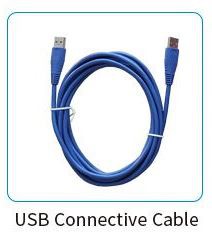

If your TV doesn't detect the device right away, you might have to go into the TV's input settings. Usually, you can access these settings by pressing the "Input" or "Source" button on your TV remote. Scroll through the list of inputs until you find the USB option. Select it, and hopefully, your video will start playing.
Some smart TVs also support different video formats. However, it's a good idea to check your TV's manual to see what formats it can handle. If your USB video device is producing a format that your TV doesn't support, you might need to convert the video before connecting it. There are plenty of free video - conversion tools available online that can do the job.
Another thing to keep in mind is that some smart TVs require you to install additional software to recognize certain USB video devices. You can usually find these software updates on the TV manufacturer's website. Just follow the instructions provided, and you should be all set.
Non - Smart TVs
Non - smart TVs are a bit more complicated, but it's still possible to connect a USB video device to them. The first thing you'll need is a USB to HDMI adapter. These adapters are relatively inexpensive and can be found at most electronics stores.
Once you have the adapter, connect one end of it to your USB video device and the other end to the HDMI port on your TV. Just like with smart TVs, you might have to switch the input on your TV to the HDMI port that you've used. Press the "Input" or "Source" button on your remote and select the appropriate HDMI input.
Sometimes, even after connecting everything properly, you might encounter issues with the video quality. This could be due to a poor - quality USB cable or adapter. If you notice a lot of pixelation or the video is freezing, try using a different cable or adapter.
We also have another great product, the 10X Zoom USB Video Conference Camera. This camera is perfect for both smart and non - smart TVs. It offers a high - quality video feed, and with its 10X zoom feature, you can get a closer look at whatever you're filming.
Troubleshooting
Even if you follow all the steps correctly, you might still run into some problems. Here are some common issues and how to fix them.
No video display: If you plug in your USB device and nothing shows up on the TV, first make sure that all the connections are secure. Check that the USB cable is properly inserted into both the device and the TV or adapter. Also, try using a different USB port on your TV if you're using a smart TV.
Poor video quality: As mentioned before, a poor - quality cable or adapter can cause this issue. Try replacing them. Also, check the resolution settings on your USB video device. Sometimes, setting the resolution too high for your TV can result in a fuzzy or pixelated image.
Audio problems: If you're not getting any audio, check the audio settings on your TV. Make sure that the TV's volume is turned up and that the audio output is set to the correct input. Some USB video devices have their own audio settings, so you might need to adjust those as well.
Final Thoughts
Connecting a USB video to a TV doesn't have to be a headache. With the right equipment and a little bit of know - how, you can easily display your USB video content on a big screen. Whether you're using a smart TV or a non - smart TV, there are solutions available.
If you're in the market for a USB video device or accessories, we've got you covered. Our products are of high quality and are designed to work seamlessly with most TVs. If you have any questions or want to discuss your specific needs, feel free to reach out. We're always happy to help with your procurement decisions and answer any technical questions you may have. Looking forward to your inquiries!
References
- General knowledge from years of experience in USB video equipment supply.
- User manuals of various TV models and USB video devices.