

AI Redefines The Meeting Room As Video Conferencing Enters Its Next Growth Phase
Nov 05, 2026
The video conferencing industry is shifting from "connecting people" to "understanding meetings." Here is what the latest wave of AI-driven collaboration trends means for businesses worldwide.
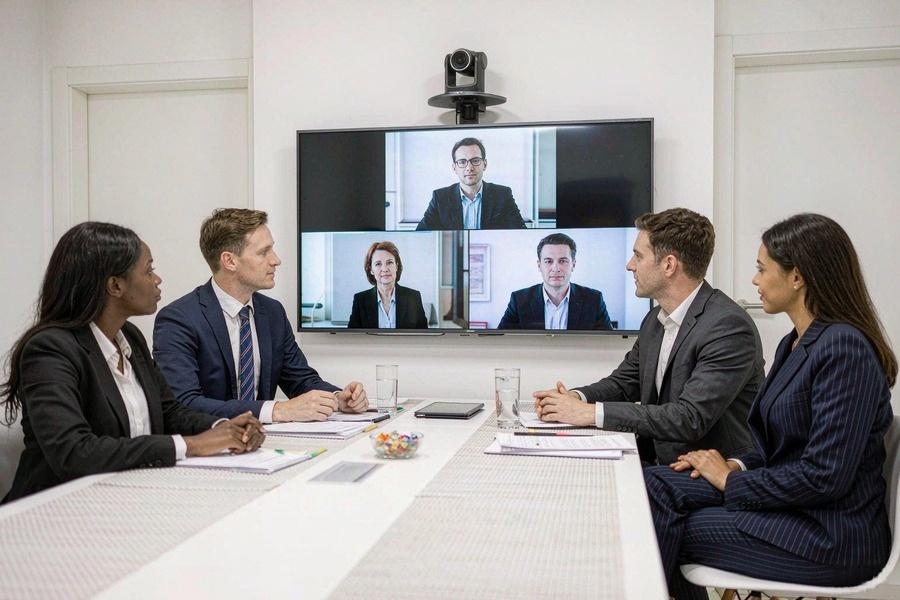
Shenzhen, China - November 5, 2026 - Five years after hybrid work went mainstream, the video conferencing industry has entered a new phase of growth. The battle is no longer about basic connectivity - it is about intelligence. Industry analysts continue to project strong double-digit growth for the global video conferencing market through 2030, and the momentum is increasingly driven by AI, not just cameras and microphones.
Trend 1: AI Moves From Feature to Foundation
Auto-framing, speaker tracking, noise suppression, and real-time transcription have quickly evolved from premium add-ons into baseline expectations. Meeting-room devices released in 2026 increasingly ship with dedicated AI processing built in, and vendors that fail to embed intelligence at the hardware level are finding themselves squeezed out of procurement shortlists.
Trend 2: Small Rooms, Big Opportunity
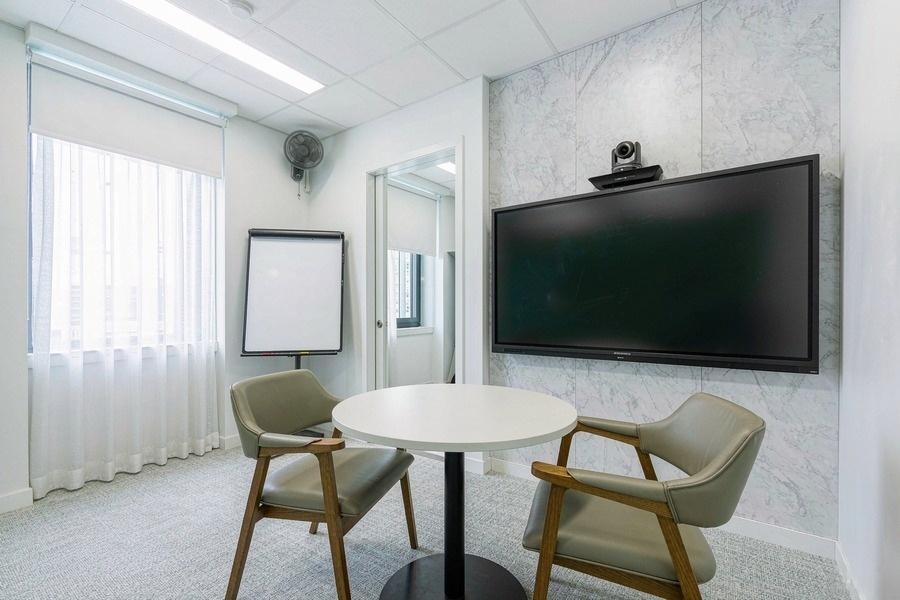
Perhaps the fastest-growing segment is no longer the executive boardroom but the two-to-six-person huddle space. As enterprises redesign offices around flexible collaboration rather than fixed desks, demand for affordable, plug-and-play equipment for small rooms has surged - creating a major growth channel for mid-market and SMB-focused brands.
Trend 3: Interoperability Becomes Non-Negotiable
With Zoom, Microsoft Teams, and Google Meet all competing for the enterprise desktop, buyers are demanding hardware that works with all of them. USB plug-and-play devices - free of platform lock-in and driver complexity - continue to dominate procurement, especially among organizations without dedicated AV teams.

Trend 4: What It Means for Buyers in 2027
For organizations planning meeting-room upgrades, the industry consensus points to three priorities: choose devices with native AI capabilities, standardize on platform-agnostic USB hardware, and budget for the long tail of small rooms rather than only flagship boardrooms.
- AI-native: prioritize devices with built-in framing, tracking, and audio intelligence
- Platform-agnostic: single-cable USB connectivity that works across all major services
- Scalable: solutions priced for huddle rooms, not just boardrooms
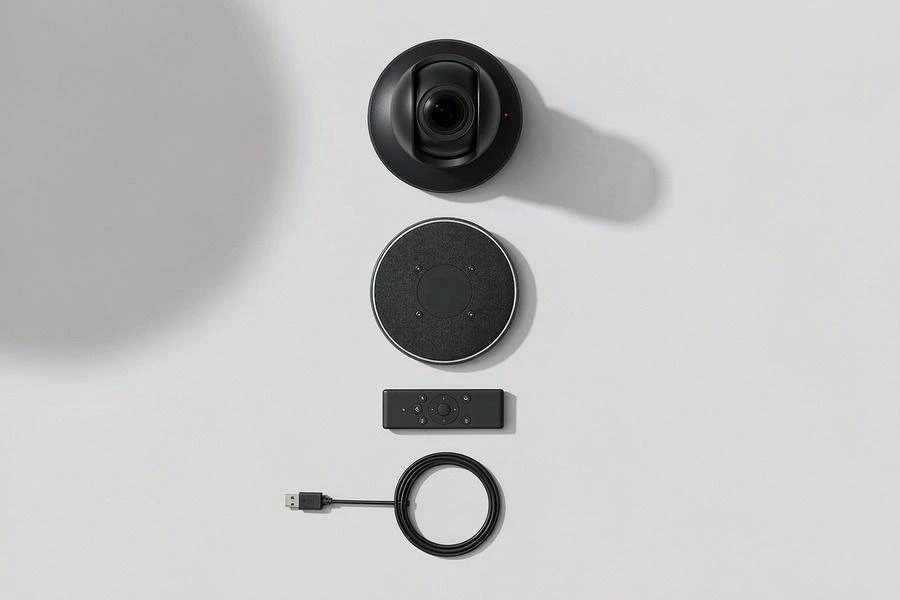
As an active participant in this market transition, Tenveo will continue tracking industry developments and aligning its product roadmap with the trends shaping the intelligent meeting room - from AI-native cameras to small-room-first design.