

How Tenveo Video Conferencing System Works
Sep 22, 2017
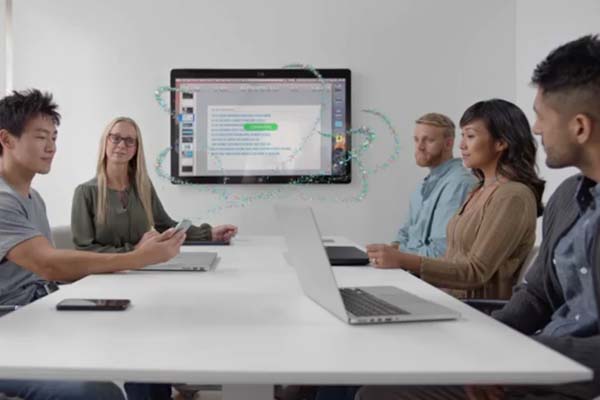
Tenveo video conferencing is the innovation that gives synchronous communication of sound and video between at least two clients by methods for equipment and programming specific devices, be that as it may, There are additionally bunches of various sorts of frameworks which all work in some ways. So you must be more specific.
Tenveo video Conferencing System Consists of the Following:
These are the tools which help you to communicate between the two and more than two users.
• Endpoints (from general PCs to Telepresence frameworks)
• Foundation (some video conferencing server which controls multipoint video conferencing sessions)
• Peripheral equipment for endpoints (cameras, mouthpieces, blenders, reverberate cancelation frameworks, and so forth.)
• Additional infrastructure expansions (Content Sharing, Screen Sharing, Instant Messaging, Presence, Telephony, Recording, Active Directory and Streaming)
How Does A Video Conferencing System Work?
If somebody asks you "how video conferencing system works", the most straightforward approach is to let them know is there are no less than two screens, and amplifier included that let you converse with at least one individual through video. Another way you can let them know is they can sign on to a video conferencing site, pick a man from their rundown, and they can converse with them while they were seeing them. Notwithstanding, to the individual who is much acquainted with the simple piece of the response to the subject that how video conferencing system works, so screens are the main thing which is required. Nonetheless, everything doesn't meet up without a couple of innovative viewpoints. It's hard to clarify how video conferencing functions.
Secondly, when you're sitting in front a screen/screen in a video conferencing session or when you communicate through that screen, so your video and sound are going into the product in simple a frame. As the PC or video conferencing framework acknowledges that, it changes it to the excellent shape. At the point when the electronic message (that you sent is en route) gets to the less than desirable end (the individual you are conversing with), the message is then changed back to the simple frame to be heard and seen through the beneficiaries, speakers, and screen.
Presently, how clear your photo and voice is depended and on the pressure proportion. Have you at any point imparted through video conferencing and the individual's (people's) picture or voice is rough or static. Another way you can let them know is they can sign on to a video conferencing site, pick a man from their rundown, and they can converse with them while they were seeing them. The higher the pressure proportion, the clearer the photo/sound will be.
How Multipoint Video Conferencing System Works:
In 1-on-1 video calls the server assumes a part of a switch: it helps desktop customer applications locate each other, so the following media movement trade occurs between the endpoints specifically.
When all is said and done, you require a framework if you have to cross NAT (most home clients), or make a multi-party call, or interface many customers with various hardware and different transmission capacity. Fresher ones can transcode - if three individuals are on a quick system association with HD video, and one is a moderate relationship with inheritance video, the three people can see each other in HD, however, observe the one in low definition, and that one will see a low-res rendition of the others. More popular gadgets handle NAT and transcoding with a cloud benefit - they don't have their system, they utilize a nonspecific administration like Amazon that they can scale as request requires. Every endpoint associates straightforwardly with unicast to the cloud, as opposed to each other.