


Video conferencing develops towards multimedia amalgamation
Nov 10, 2018
Video conferencing develops towards multimedia amalgamation
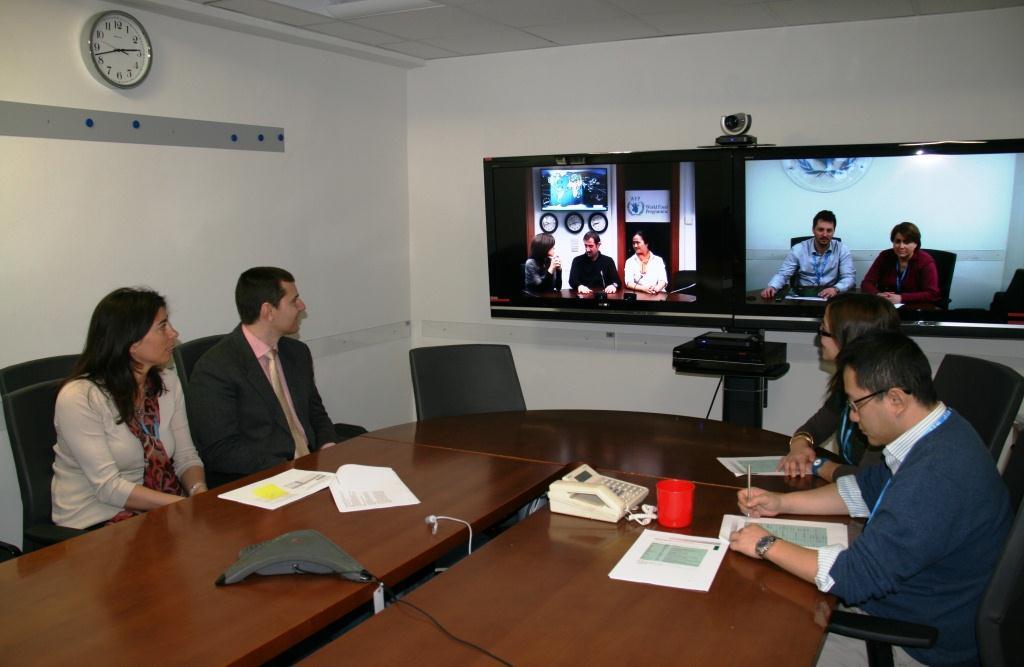
Video conferencing is a kind of multimedia communication technology that enables people in different places to realize "real-time, visual and interactive" through some transmission medium. It can distribute various information such as static/dynamic images, voice, text, pictures, etc. of the characters to the terminal devices of each user through various existing electronic communication transmission media, so that geographically dispersed users can copolymerize one. At the same time, through the exchange of information through various means such as graphics and sounds, the ability of both parties to understand the content is increased, making people feel like they are immersed in meetings in the same venue.
With the development of video communication technology, the needs of users are becoming more and more abundant. The video conferencing system is not only to provide audio and video transmission, but to provide more services, thus leading to the concept of a converged video conferencing system. It covers the state of all future video conferencing applications, in short, a total solution for video, audio, graphics and data integration. The converged video conferencing system includes rich multimedia functions, that is, not only using sound and participant images as a medium of communication in remote conferences, but also through electronic whiteboard, dual screen display, remote application sharing, audio and video sharing, desktop sharing, etc. The multimedia function of video conferencing can more effectively complete the collaboration between participants. The video conferencing system will no longer be used only for meetings, but will become a multimedia collaboration platform. At present, there are only a few manufacturers in the country that can be regarded as a converged video conferencing product.
In addition, according to the survey, the user's selection criteria for the video conferencing system has begun to change slowly compared with the past. In addition to the basic audio and video quality requirements, there are also requirements for after-sales service, multimedia functions, and security. Among them, the user puts forward higher requirements for the multimedia function and expansion and upgrade of the video conference, so what can the user accomplish through the multimedia function of the video conference?
1. Sharing of data files. For example, in government applications, government offices, conferences, and public security inspection departments have a large amount of documents and materials that need to be discussed together. A large number of data documents are also required to be shared at the company's quarterly and annual summary meetings.
2. Remote training. There are two main types of this, one is the distance learning of education and training institutions. With these multimedia functions, real-time interactive teaching can be realized, instead of recording the video in advance for the students to see, without any interaction; the other is the enterprise. Internal training, such as training on branches, products, positions, and processes.
3. Remote live broadcast. Mainly used in some press conferences, star meetings, signing conferences, large lectures, etc.
4. Telemedicine. The open platform multimedia video system can interface with medical devices to share various medical data. And you can do remote consultation, remote visits, and more.


